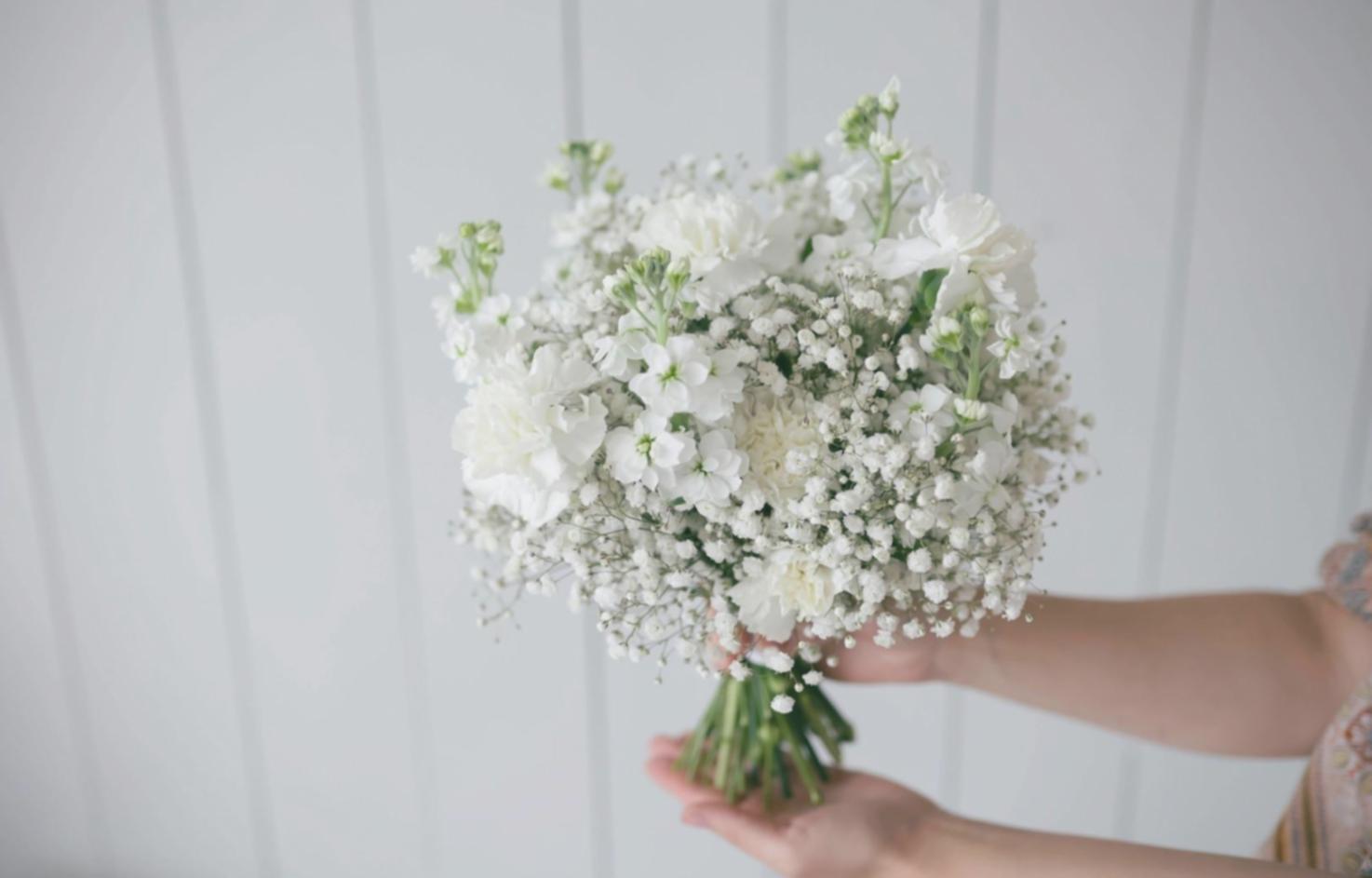
Floral design masterclass in progress, showing expert technique demonstration
Creative Floral Design Program

Arrange flowers with intention, not guesswork

Working with flowers is partly technical and partly perceptual — knowing which stems hold, which colors clash at certain light temperatures, and why some arrangements look right from across a room while others fall flat up close.

What the program covers

Six modules, one clear thread

MODULE 01

Reading a flower before you cut it

Covers stem conditioning, hydration timing, and how to assess freshness at the market. Participants learn to identify which varieties hold for three days versus seven — a difference that changes how you plan any arrangement.

MODULE 02

Color relationships under different light

Natural daylight, warm interior lighting, and photography setups each shift how colors read. Explore how to build palettes that stay coherent across contexts rather than only working in one setting.

MODULE 03

Structure, weight, and negative space

Arrangements that look effortless usually have a clear internal logic — a focal point, a midground, and intentional gaps. Develop a practical eye for balance without relying on symmetry as a shortcut.

MODULE 04

Seasonal and locally available materials

Working with what grows nearby in a given month rather than importing year-round. Includes foliage, dried elements, and how to extend a limited palette through texture contrast instead of variety.

MODULE 05

Arrangements for specific occasions

Ceremonies, table settings, and personal gifts each have different constraints — size, duration, handling. Practical exercises address how context shapes decisions before a single stem is chosen.

MODULE 06

Documenting and presenting your work

Photographing arrangements in natural light, presenting process work, and building a small portfolio of completed designs. Useful whether you intend to work professionally or simply want a record of your progress.

Questions participants ask before enrolling

Collected from real conversations with people considering the program — answered directly, without the usual hedging.

Do I need prior experience with flowers?

No prior experience is required. The program begins with foundational material and builds progressively. Participants with some background often find the early modules clarify things they had been doing intuitively without understanding why.

How are the sessions delivered?

Sessions run online with live demonstrations from the instructor. Each module includes recorded segments you can revisit, plus scheduled time for questions and feedback on your own work submitted between sessions.

What materials do participants need to source?

A materials list is shared before the program begins. Most items are available at local markets or garden centers. The program deliberately avoids requiring specialty imports — working with accessible materials is part of the learning approach.

Is there a certificate at the end?

Participants who complete all modules receive a certificate from Cenulor Bifax. The certificate documents completion of the program — it reflects your participation and the work you submitted, not a standardized external qualification.

What if I miss a live session?

Recordings are available within 24 hours of each session. Feedback windows for submitted work remain open for the full module duration, so missing a single live session does not put you behind.

Who teaches the program?

Instruction comes from practitioners with active work in floral design — people who take commissions, teach workshops, and work with real constraints. Instructor profiles are shared in the program details on the upcoming sessions page.

Still have a specific question? Reach the team directly at support@cenulorbifax.com or check the upcoming sessions page for dates and enrollment details.

View upcoming sessions